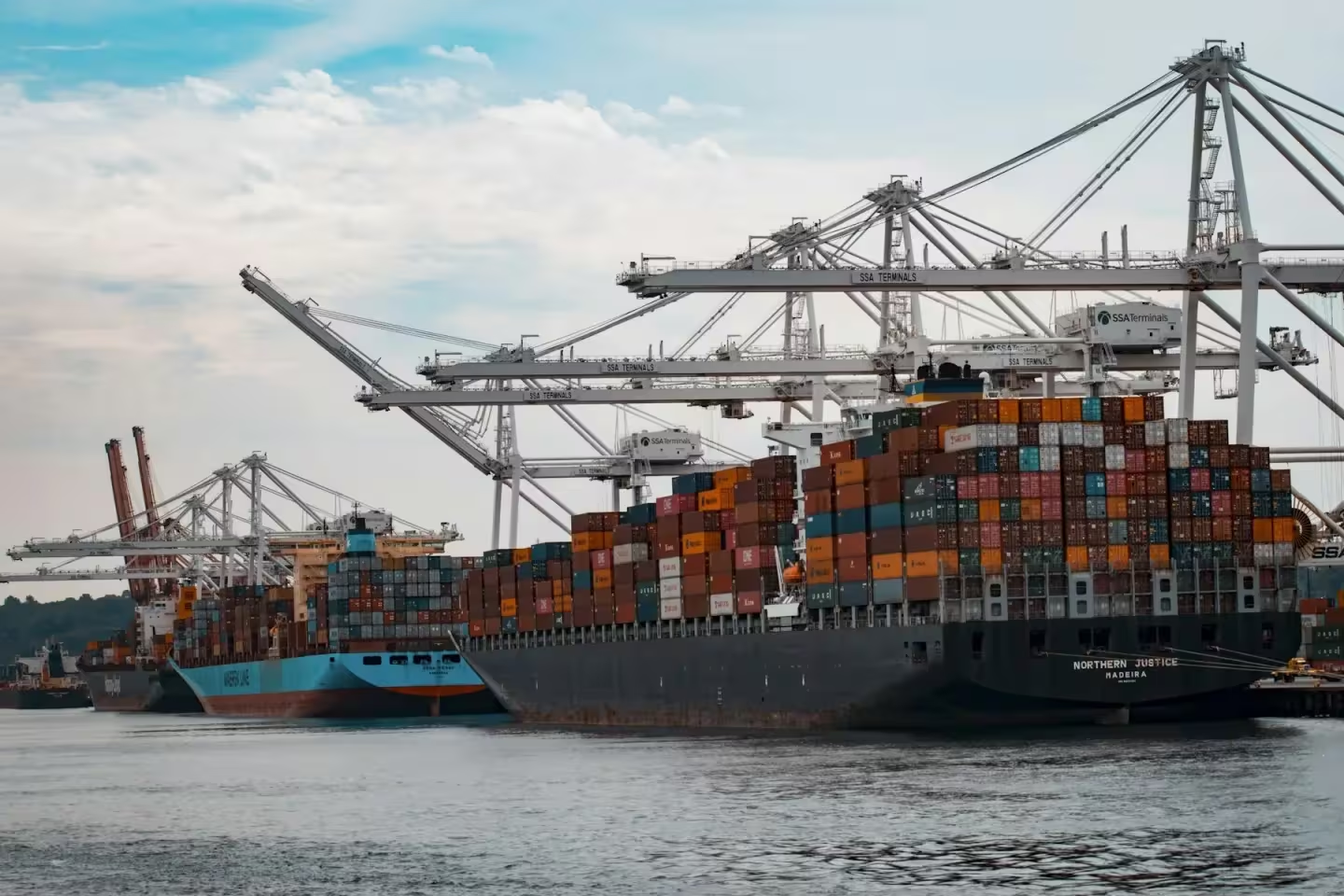
Sea and Container Freight
Sea transportation is one of the main solutions for large, heavy and long-distance cargo with a predictable cost structure. Vega Sirius integrates container selection, port communications, booking, document control and final delivery into a single plan.
Container solutions FCL and LCL
For a full batch, FCL is considered, for small shipments - LCL consolidation. The choice depends not only on the volume, but also on the cost of the cargo, packaging, timing, risk of additional congestion and port costs.
Planning from port to address
The departure port, shipping line, possible transhipment points and procedures at the destination port are compared. If necessary, the route includes auto delivery, a customs broker and a warehouse.
Control of documents and expenses
Bill of Lading data, commercial documents, container free period and return periods are controlled. This helps reduce the risk of demurrage, detention and storage.
For an accurate offer, you need the name, weight, volume and packaging of the cargo, points of departure and destination, date of readiness and Incoterms.
Which ports serve container cargo to Azerbaijan
Azerbaijan has no direct access to the open sea, so containers usually arrive via the Georgian ports of Poti and Batumi, Turkish Black Sea ports or Bandar Abbas in Iran followed by a road or rail leg, while Caspian traffic moves through Alat (Baku International Sea Trade Port). Port selection depends on the origin country, carrier schedules, terminal charges, the length of the inland leg and the customs procedure. For shipping from China to Azerbaijan the sea, rail and multimodal options are compared separately.
What the service includes
- Container type selection (20 GP, 40 GP, 40 HC, reefer, open top) and booking with the shipping line;
- coordination of pickup, export formalities and container stuffing at origin;
- checks of the Bill of Lading, commercial invoice, packing list and origin documents;
- terminal handling at the destination port, the inland leg and import clearance in Azerbaijan;
- final delivery, empty container return and free-time control.
FCL or LCL
A full container (FCL) suits large, recurring or handling-sensitive consignments; consolidated cargo (LCL) suits small volumes of a few pallets. The decision goes beyond cubic metres: cargo value, packaging, waiting time at the consolidation warehouse, deconsolidation charges at destination and the overall door-to-door timing all matter. See the FCL vs LCL guide and check capacity in the container capacity calculator.
What drives the price
Besides ocean freight, a proposal covers origin terminal handling (THC), documentation and booking fees, transhipment, destination terminal, the inland leg, customs, storage risk (demurrage and detention), insurance and the final mile. Comparing freight alone hides the full cost, so each line item is shown separately.
What we need for a quote
Send the origin and destination port or address, cargo description and any available HS code, weight and volume, pallet count, FCL or LCL preference, readiness date, Incoterms and any special regime (temperature, dangerous goods). Use the contact form or WhatsApp.
Compare the full cost of container shipping
FCL books a dedicated container; LCL consolidates smaller compatible consignments. Provide origin and destination addresses, cargo weight, volume and container requirements. For LCL, ask about consolidation and destination handling charges.
Compare ocean freight together with port fees, documentation, inland delivery and container return. Check free-time allowances and the terms for storage or equipment delays. Choosing between container sizes also requires package dimensions and permissible weight, not just cubic volume.
Before accepting a container freight quotation
Compare FCL and LCL offers using the same collection and handover points. Nominal container volume alone cannot determine suitability: pallet dimensions, stacking restrictions and clearance through the doors can change the loading plan.
| Check | FCL | LCL |
|---|---|---|
| Cargo description | Container type, package dimensions and total weight | Dimensions and weight of each package; consolidation compatibility |
| Handling | Loading, unloading and empty-container return | Consolidation, separation and terminal handling |
| Charging basis | Rate per container plus additional services | Chargeable volume/weight basis and minimum charge |
| Handover plan | Release, receiving hours and return location | Cargo separation, release readiness and final address |
Ask separately about terminal storage and container free time. Confirm the starting event, last free day and charging rules in the carrier terms. If the cargo dimensions change, have the quotation checked again.